

Health5 min readBy Juan Manuel Rovira de Miguel
Muscle: the organ that shapes your quality of life
Muscle is not just for movement. It regulates metabolism, protects against disease and is one of the best predictors of a long, independent life.
More strength, more life
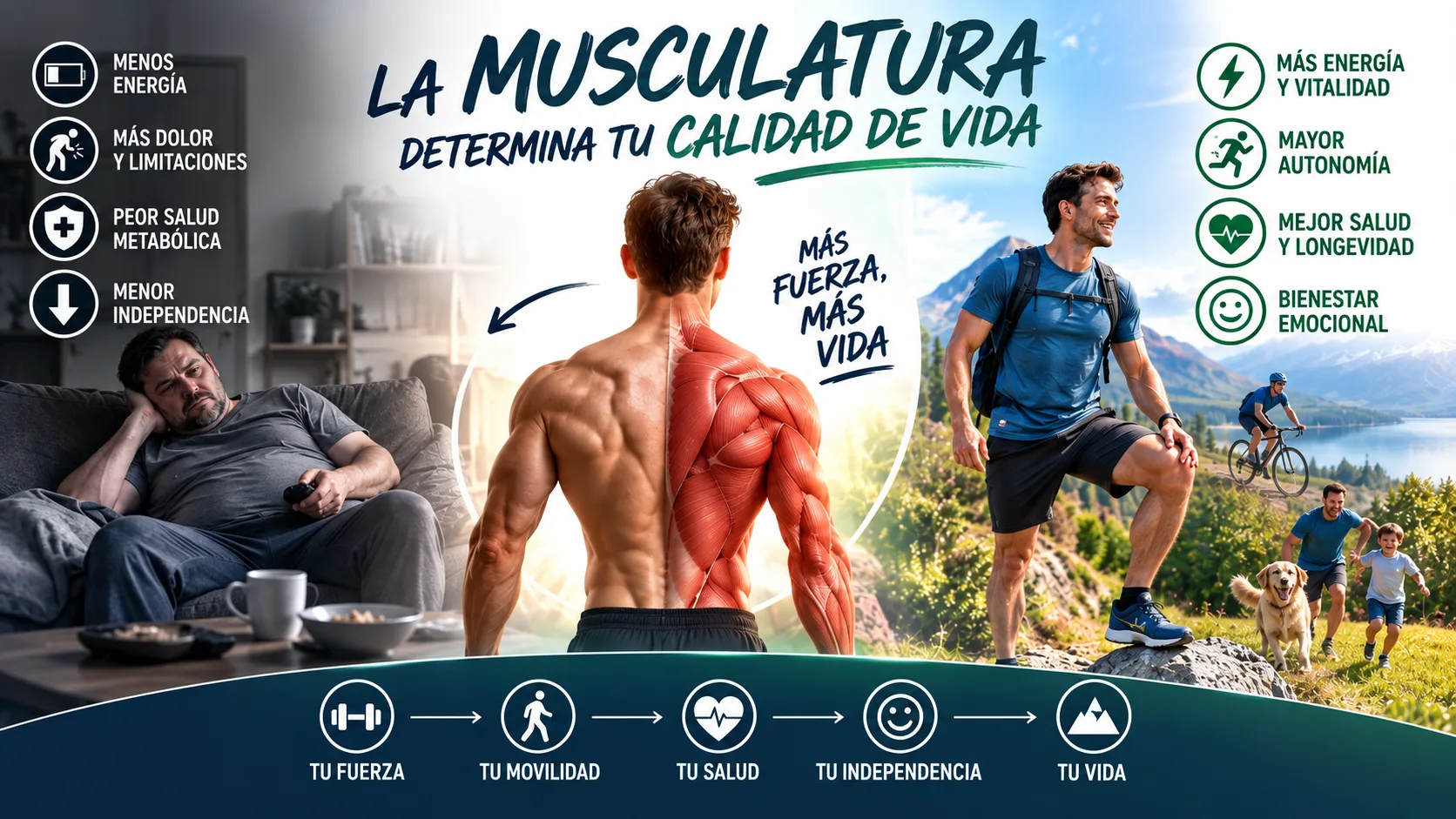
When we think about health we usually look at weight, cholesterol or blood pressure. Yet the ability of our muscles to produce force is one of the most robust indicators of overall health: it is associated with lower mortality, fewer hospital admissions and more years of independent living.
The chain is clear: strength drives mobility, mobility drives health, and health drives independence. Losing strength is the first link in that chain.
 Enlarge
Much more than movement
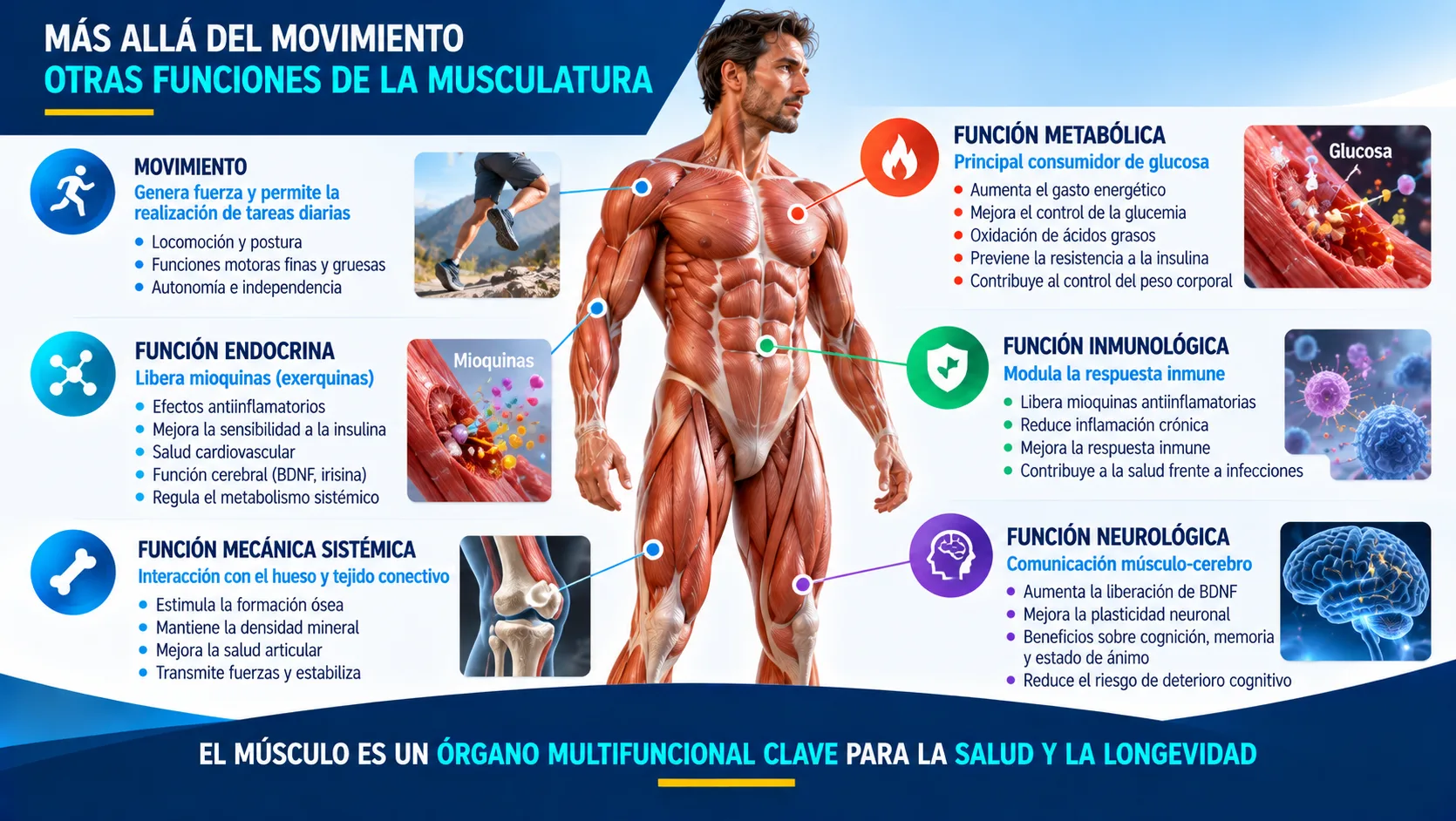
Skeletal muscle is the body’s largest metabolic organ. It takes up most of the glucose after meals, helps regulate body temperature and acts as a protein reserve during illness.
When it contracts it also releases chemical messengers (myokines) that act on the immune system, fat tissue, bone and the brain. This is why muscle is now considered an endocrine organ.
 Enlarge
Do good blood tests mean we are healthy?
A blood test with every value in range is good news, but it does not tell us whether we can stand up from a chair unaided, climb stairs or carry the shopping. Functional capacity can be measured too, and it matters as much as any lab value.
 Enlarge
Life is a competition
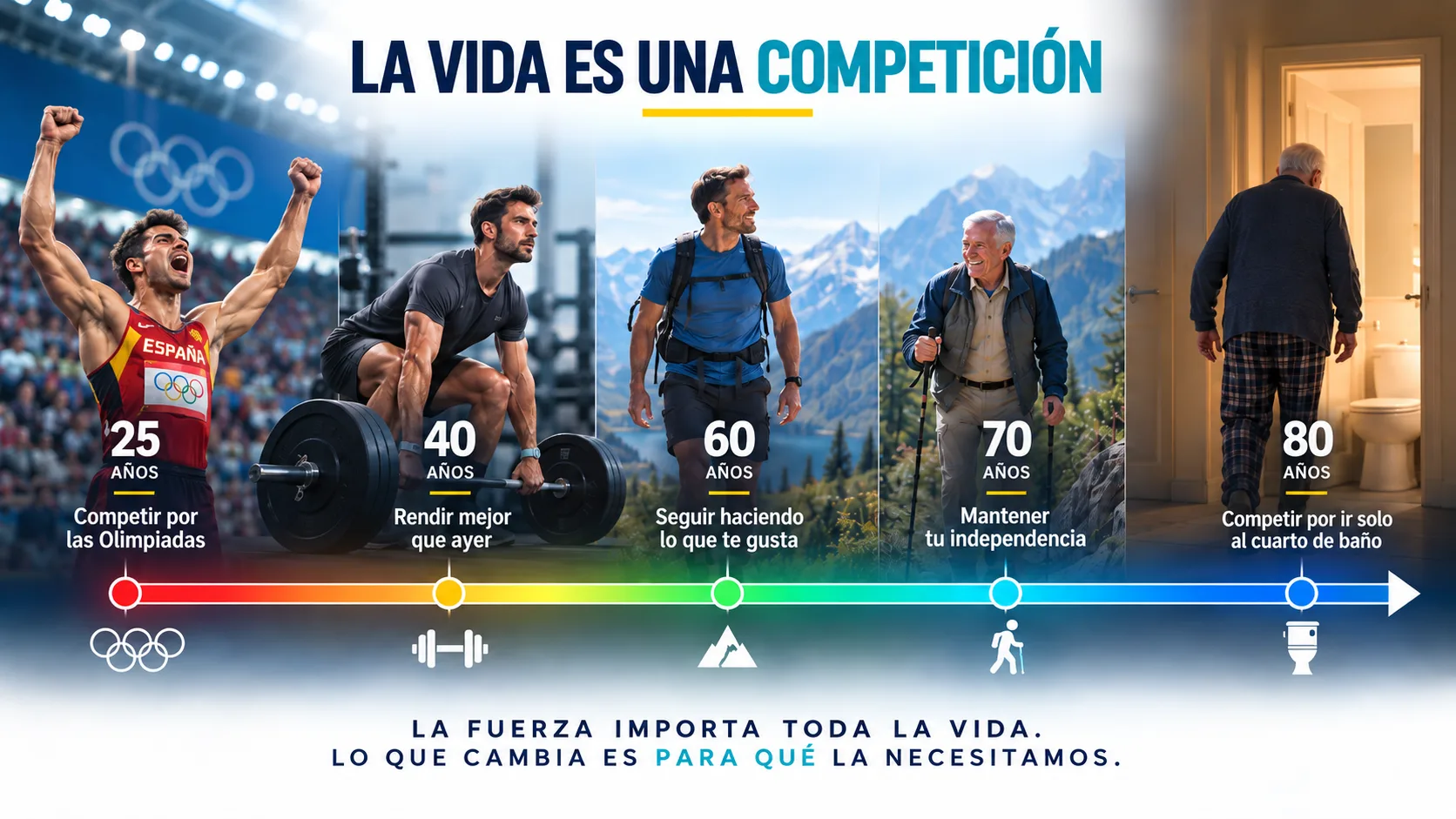
At 25, strength is for performance; at 60, for keeping up with what we love; at 80, for staying independent. Strength matters throughout life — what changes is what we need it for.
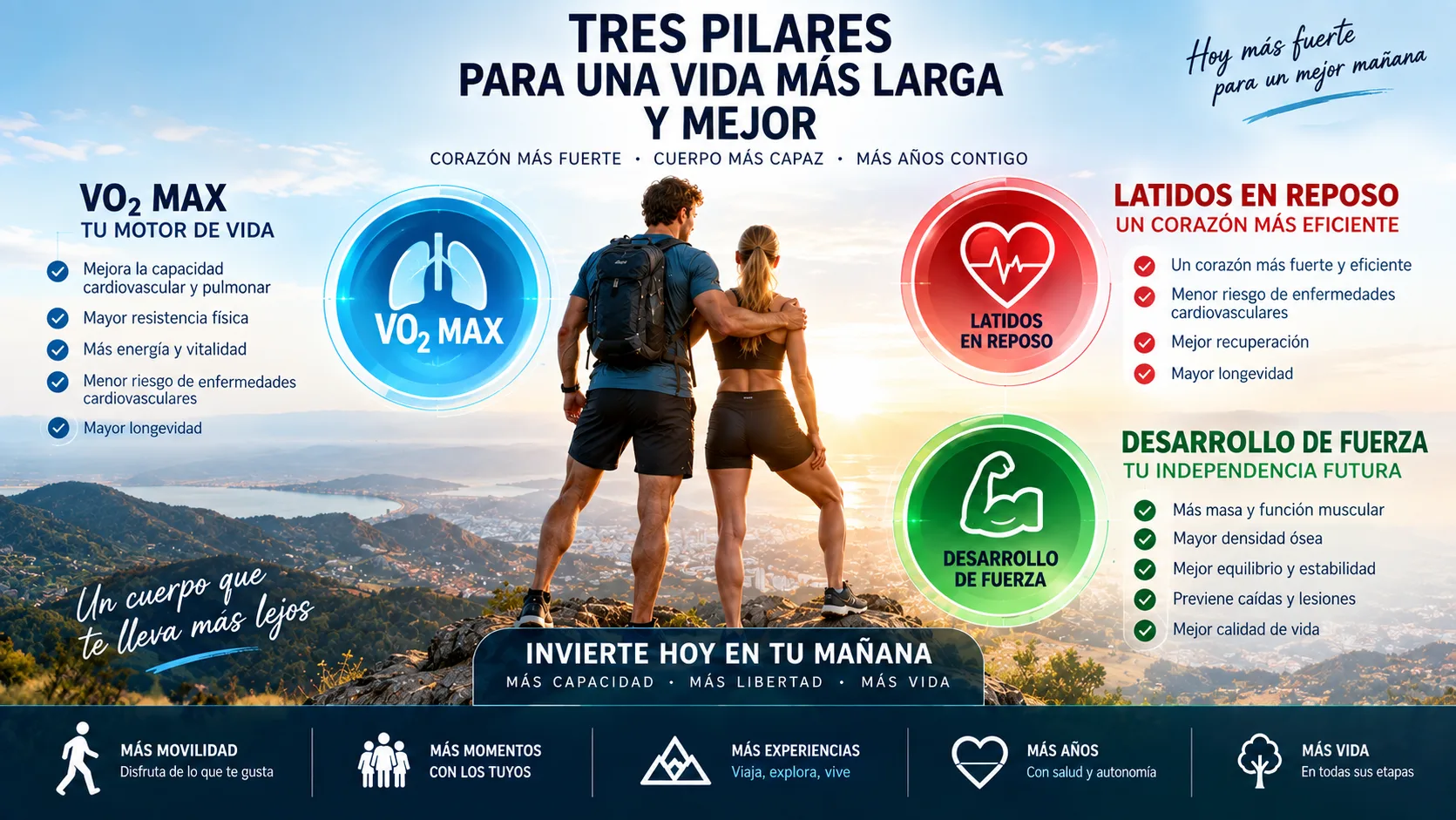
Together with cardiorespiratory fitness and a healthy resting heart rate, strength development is one of the three pillars of a longer, better life.
 Enlarge
Three pillars for a longer life
Measuring is the first step to improving. With objective strength data you can spot losses before they show in daily life, adjust training and verify that it works.
 Enlarge
Frequently asked questions
Why is muscle strength a health indicator?
The ability of muscle to generate force is associated with lower mortality, fewer hospital admissions and more years of independent living. Strength drives mobility, mobility drives health, and health drives independence.
What does muscle do besides movement?
Skeletal muscle is the largest metabolic organ in the body: it takes up most of the glucose after meals, helps regulate temperature and acts as a protein reserve. When it contracts it releases myokines that influence the immune system, fat, bone and the brain.
If my blood tests are normal, are my muscles fine?
Not necessarily. Normal blood tests do not measure functional capacity, such as standing up from a chair, climbing stairs or carrying shopping. That requires an objective measurement of strength.
References
- Leong DP et al. Prognostic value of grip strength: findings from the Prospective Urban Rural Epidemiology (PURE) study. Lancet. 2015;386:266-73.
- Pedersen BK, Febbraio MA. Muscles, exercise and obesity: skeletal muscle as a secretory organ. Nat Rev Endocrinol. 2012;8:457-65.
- Wolfe RR. The underappreciated role of muscle in health and disease. Am J Clin Nutr. 2006;84:475-82.
For general information only. It does not replace assessment by a healthcare professional.